Honda’s Environmental Strategy: A Technical Overview
In a rapidly evolving world where environmental concerns are at the forefront of global discourse, Honda has embarked on a journey to address these challenges with a bold and innovative strategy. But what does this mean for Lithuania? Let’s delve into the technicalities of Honda’s ambitious plan to reduce CO2 emissions by 30 percent by 2020, a target that builds upon their past achievements.
Background and Context
Honda’s commitment to reducing emissions isn’t new. Back in 2006, the company set a target to cut emissions by 10 percent by 2010, compared to the levels in 2000. This goal was successfully met, setting the stage for the more ambitious 30 percent reduction outlined in their 2011 Environmental Annual Report. This commitment not only applies to their vehicles but extends to motorcycles and power equipment as well.
Technical Aspects of Emission Reduction
How does Honda plan to achieve this? The strategy involves a comprehensive approach to reducing emissions across all facets of their operations. This includes advancements in product design, manufacturing processes, and business practices. Honda’s new environmental vision aims to provide „the joy and freedom of mobility and a sustainable society where people can enjoy life.” This vision is encapsulated in their enduring slogan, „Blue Skies for Our Children,” a phrase originally coined by Honda engineers in the 1970s in response to the U.S. Clean Air Act.
Implications for Lithuania
For Lithuania, Honda’s strategy represents an opportunity to align with global environmental standards and benefit from cleaner technologies. As the automotive industry in Lithuania grows, adopting such forward-thinking strategies can not only improve air quality but also foster innovation and economic growth. The shift towards reduced emissions can stimulate the local economy by creating demand for skilled labor in emerging green technologies.
Future Prospects and Challenges
While Honda’s commitment is commendable, it is not without challenges. Reducing emissions by 30 percent requires significant investment in research and development, as well as changes in consumer behavior. The company must navigate these challenges while maintaining profitability and market competitiveness. As Lithuania considers its own environmental policies, Honda’s strategy could serve as a model for balancing ecological responsibility with economic viability.
Conclusion
Honda’s environmental strategy is a testament to the company’s dedication to sustainability and innovation. For Lithuania, this presents a pathway to integrate advanced technologies and practices that align with global environmental goals. By embracing such initiatives, Lithuania can contribute to a cleaner, more sustainable future while reaping the economic benefits of being at the forefront of automotive innovation.
For more information on automotive innovations and services, visit Automobilio Poliravimas Vilnius.
https://autoplovykla.lt/ru/himchistka-avtomobilya-vilnius/
https://autosanderis.lt/fiat-chrysler-nori-padvigubinti-jeep-pardavimus-iki-2018-m/
https://autoelektrikas24.lt/fisker-karma-savininku-susiburimas-pritraukia-28-dalyvius/
Related Posts
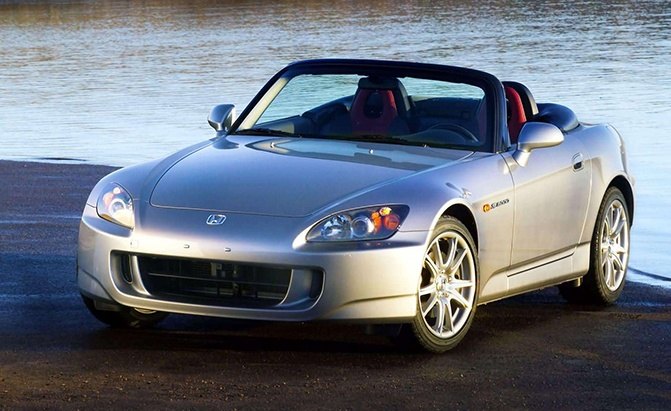
„Honda“ vadovas teigia, kad „Honda S2000“ tikrai niekada nesugrįš
Techninė Apžvalga: Honda S2000 ir Automobilių RinkaHonda S2000 - tai…